
Day 5 Summary:
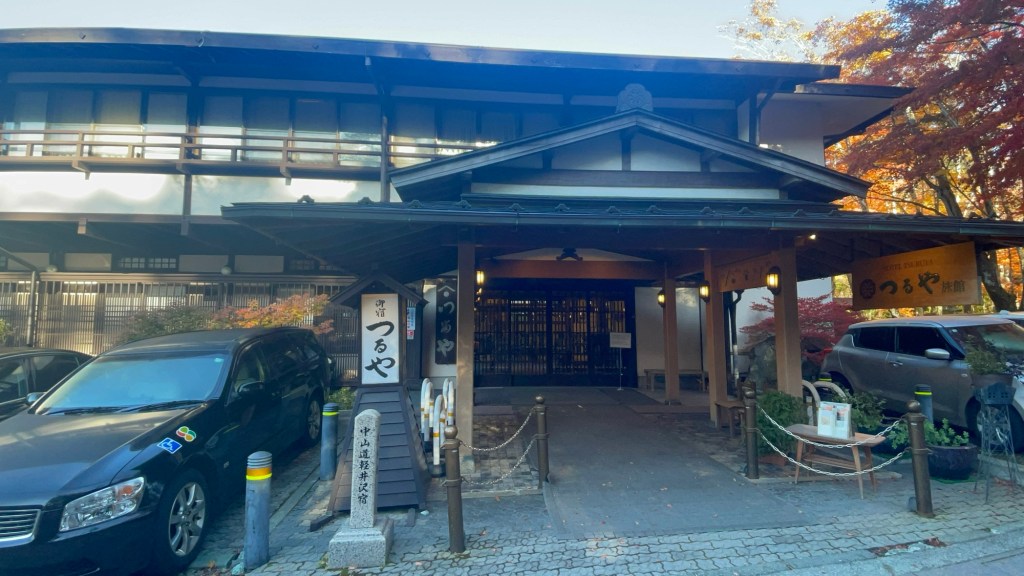
8:45 AM: Early departure from Hotel Tsuruya, hike from Karuizawa 軽井沢 to Usui Toge Pass 碓氷峠 (2hr 15min)
11:00 AM: Reach Usui Toge Pass summit and shrine
11:30 AM: Begin descent into Gunma Prefecture
1:00 PM: Packed lunch in the mountain forest
3:30 PM – 5:00 PM: Navigate the steep, rocky final descent to Yokokawa
5:21 PM: Train from Yokokawa Station 横川 to Takasaki Station 高崎
5:53 PM: Arrive at Takasaki Station, walk to accommodation
Evening: Settle into Rakuten STAY HOUSE and dinner with camp provisions
Day 5 brought us to what I consider the most challenging and remote section of the entire Nakasendo Trail—the legendary Usui Toge Pass 碓氷峠. This mountain crossing between Nagano and Gunma Prefectures was one of the three most notorious passes on the historic route, so difficult that an Edo-period saying warned: “Kiso no Kakehashi, Ota no Watashi, and Usui Pass are the only ones to be crossed.” After four days of hiking that had gradually built our stamina and confidence, we were as ready as we would ever be to tackle this final mountain challenge.
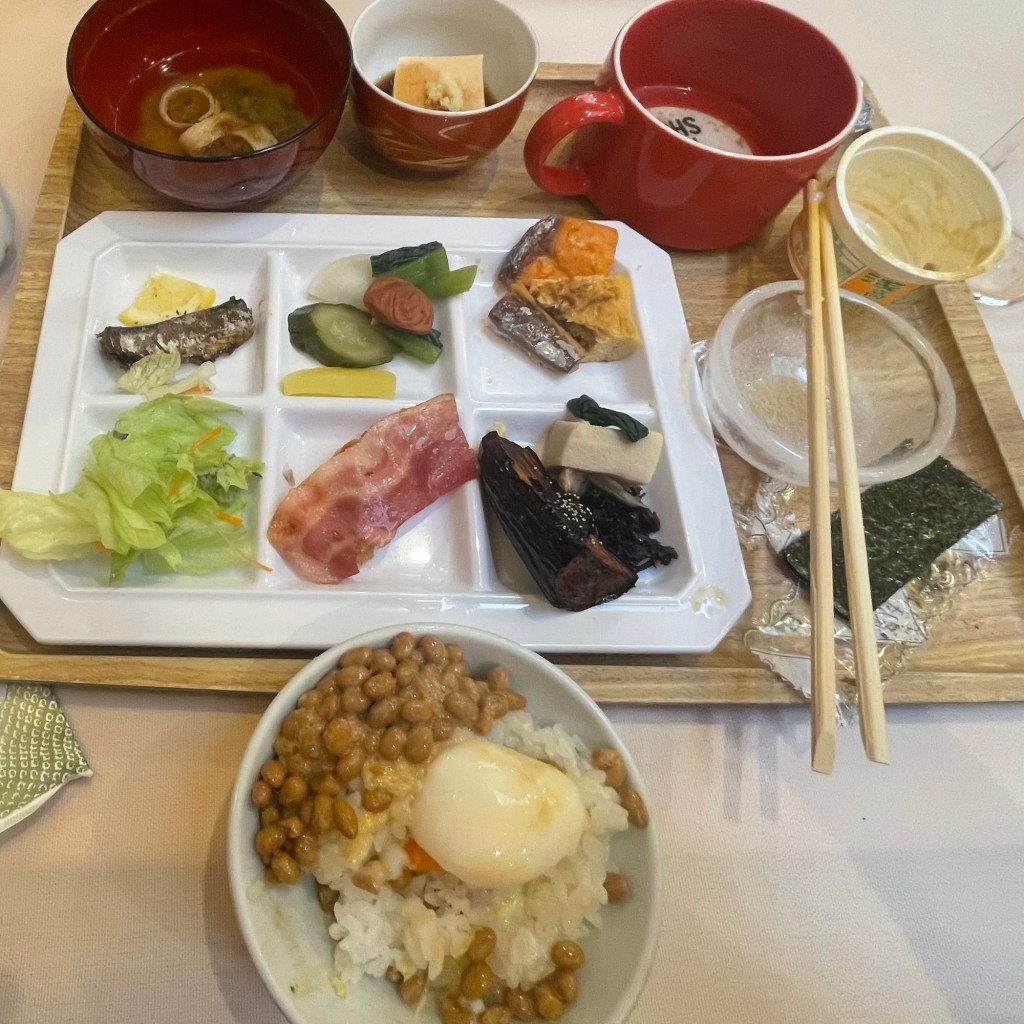
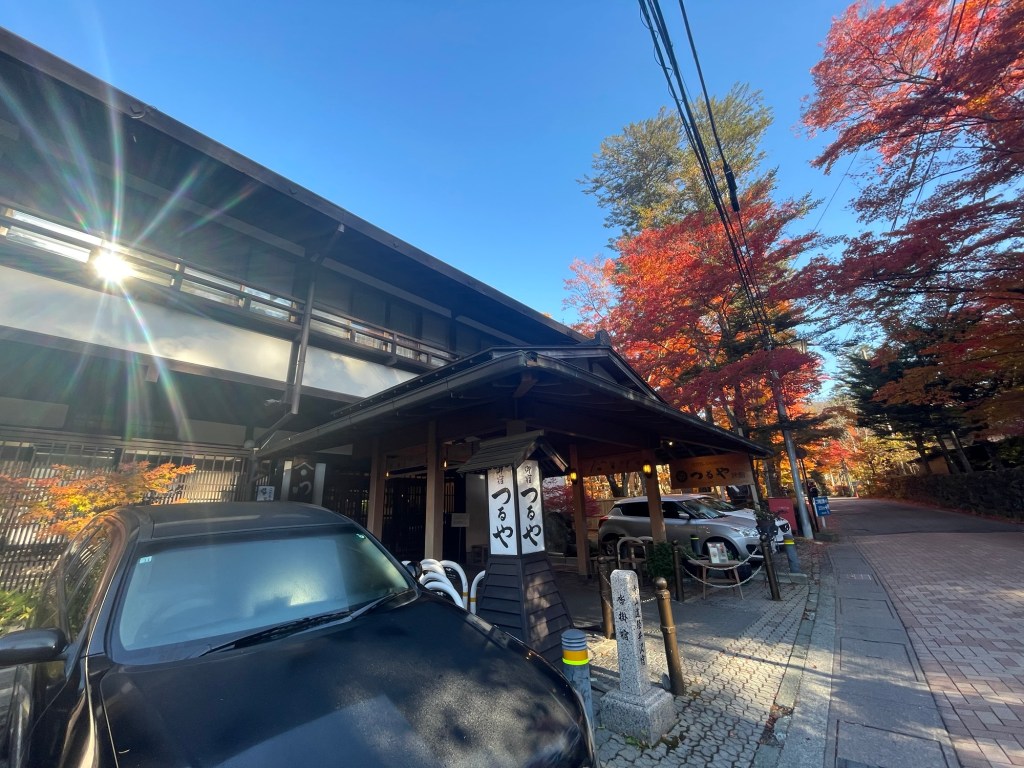
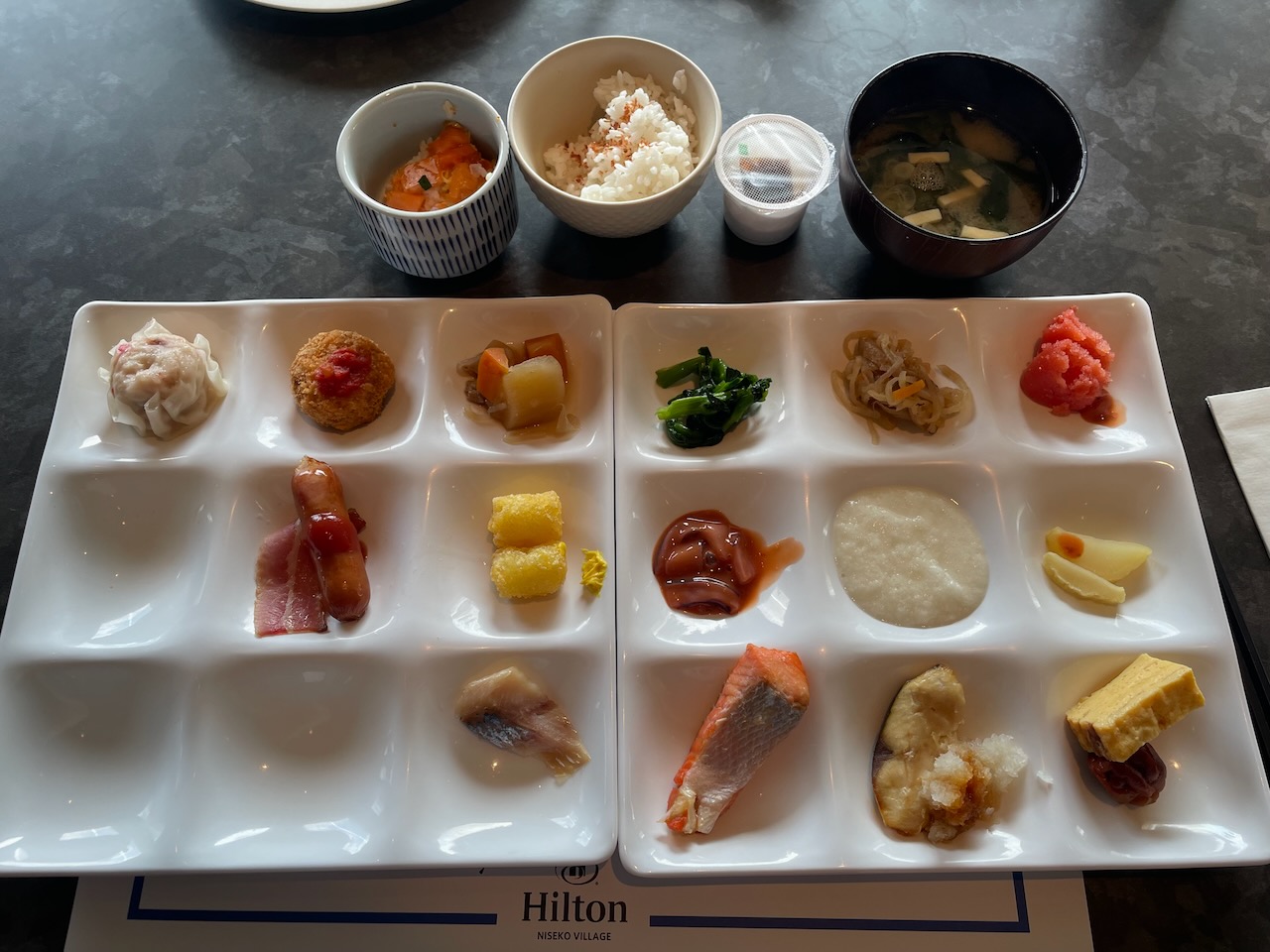
8:45 AM: We began Day 5 with a rushed but hearty Japanese and Western-style buffet breakfast at Hotel Tsuruya. Unlike our previous leisurely mornings, we had no time to linger—Usui Toge demanded an early start. This section was remote, unmarked in places, and would take significantly longer than the distance suggested. Armed with his homemade YouTube video downloaded to our phones, our packed provisions from Old Karuizawa, and four days of accumulated hiking experience, we set off into the cool morning air.


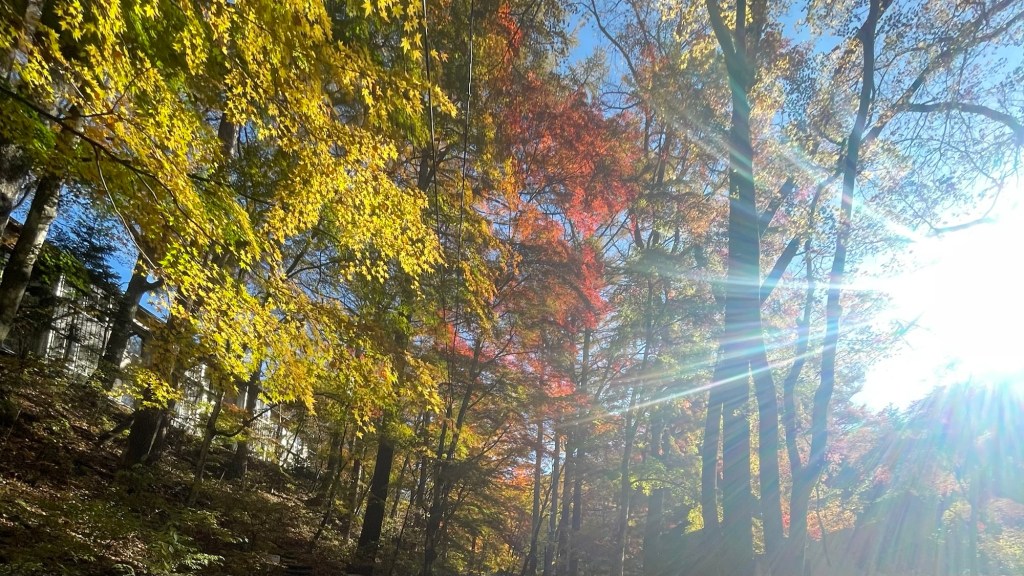
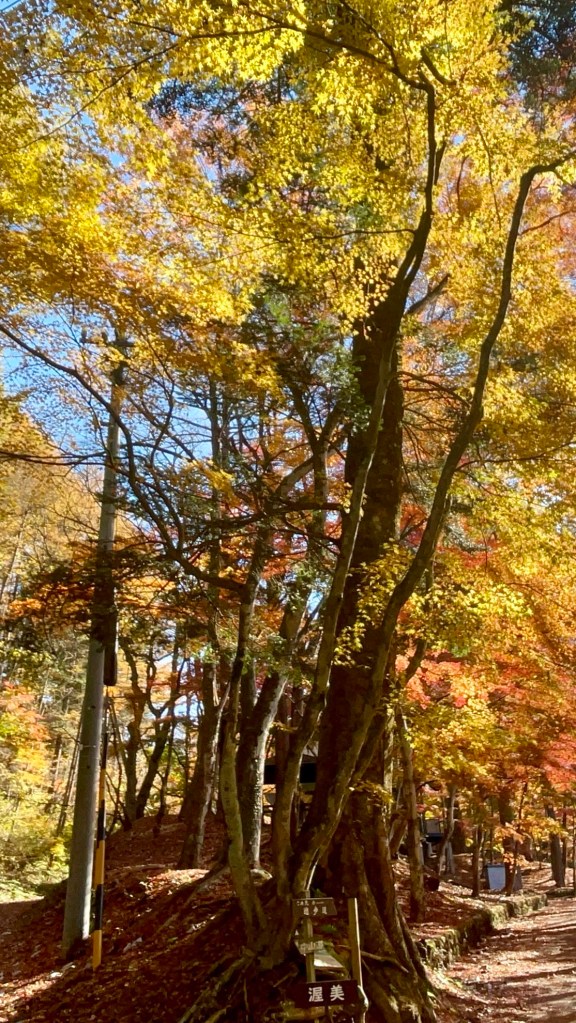

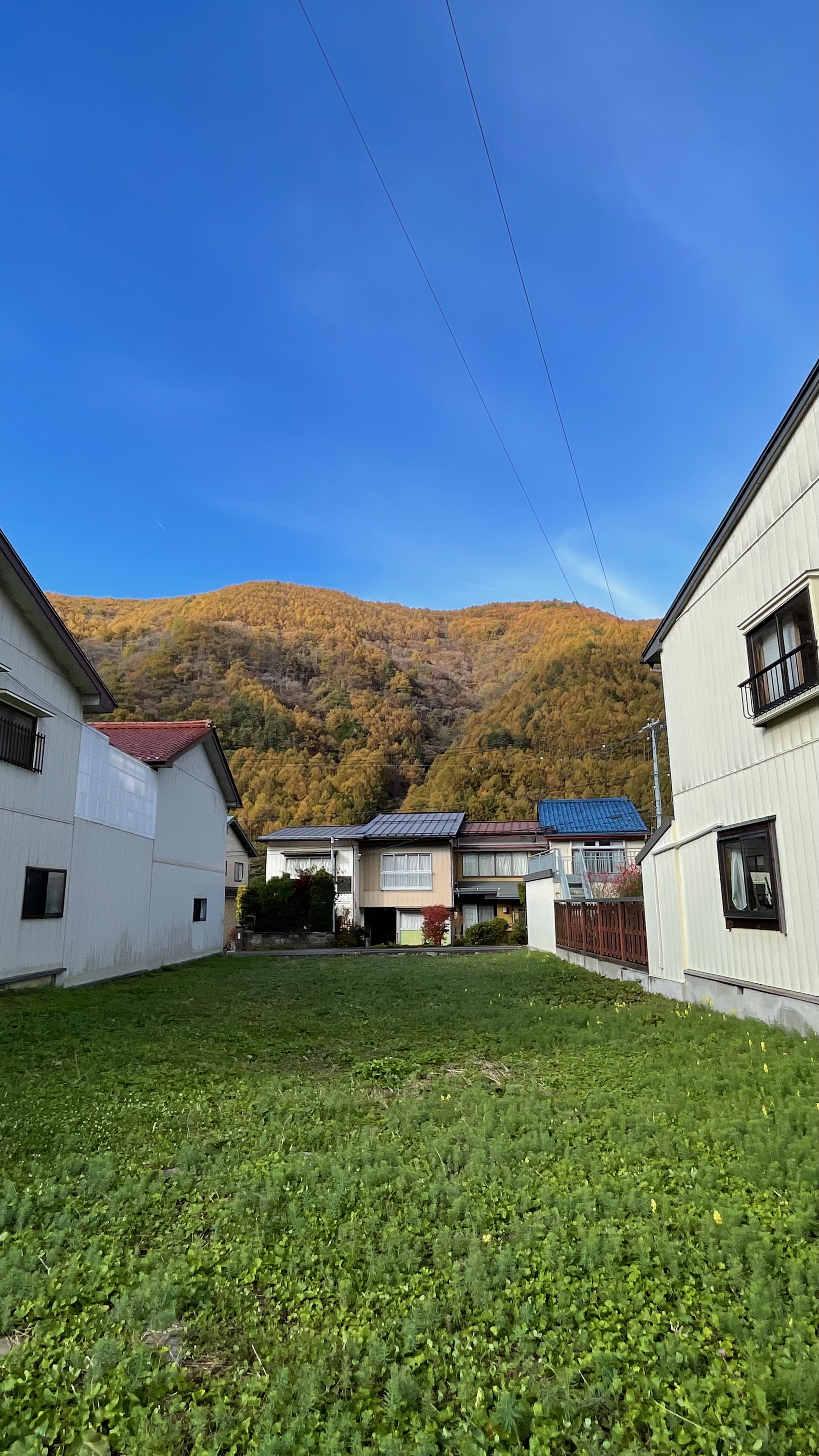
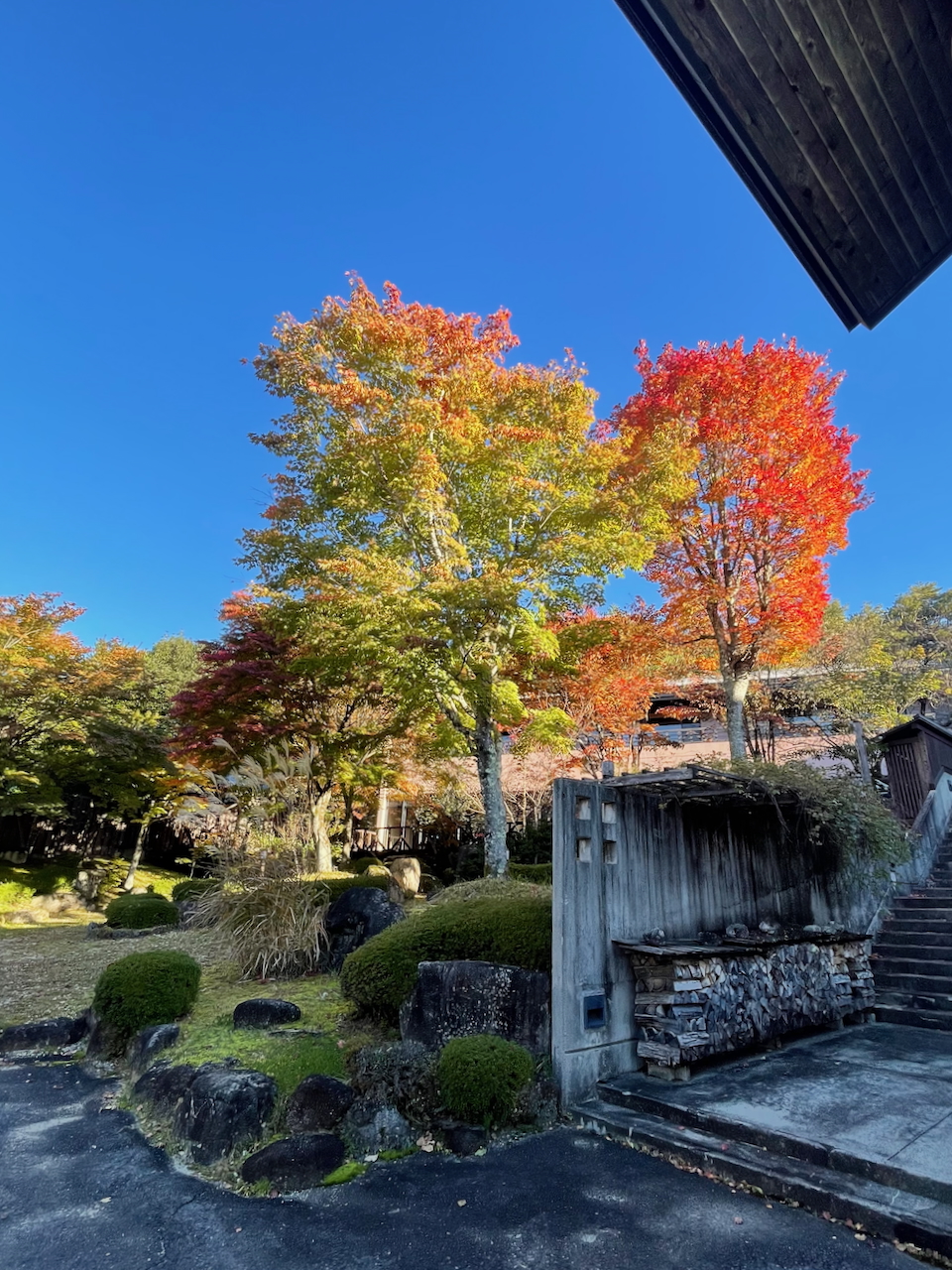
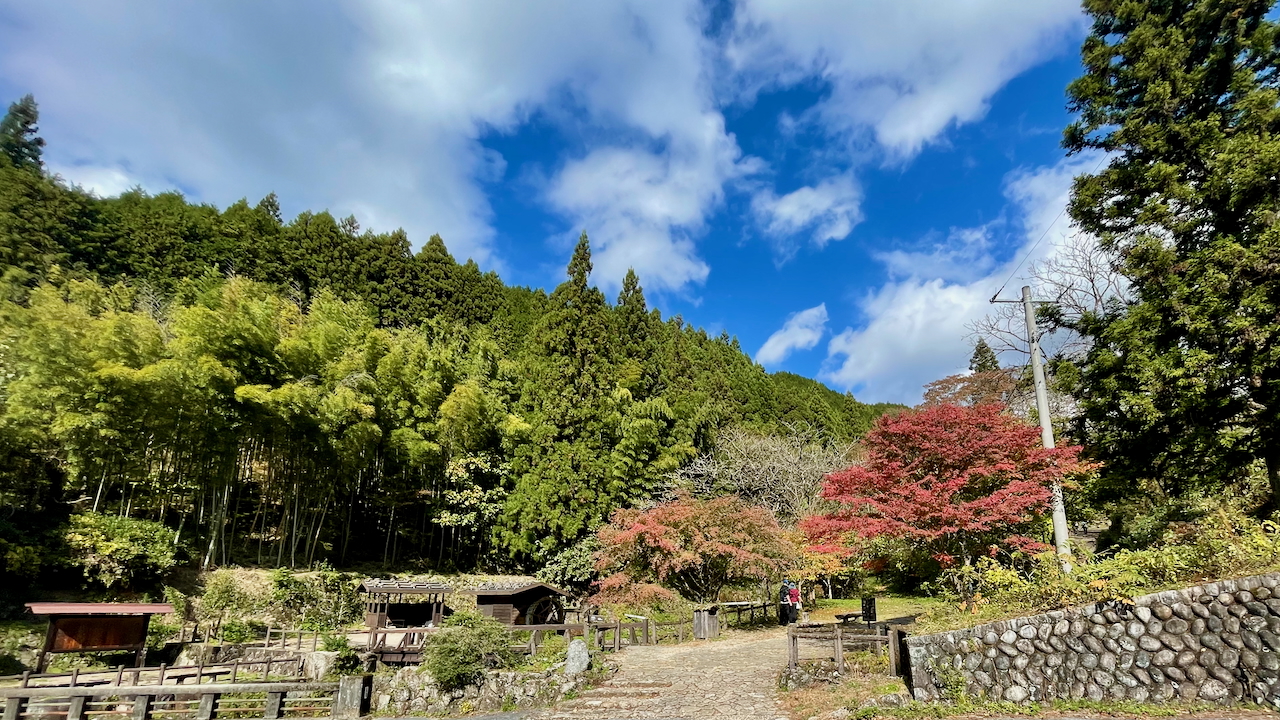
The trail departing Karuizawa was blissfully beautiful—a gentle, almost meditative start. The autumn morning light filtering through the canopy in golden shafts. The elevation gain from Karuizawa was gradual, only about 200 meters over several kilometers, making for a pleasant upward stroll.

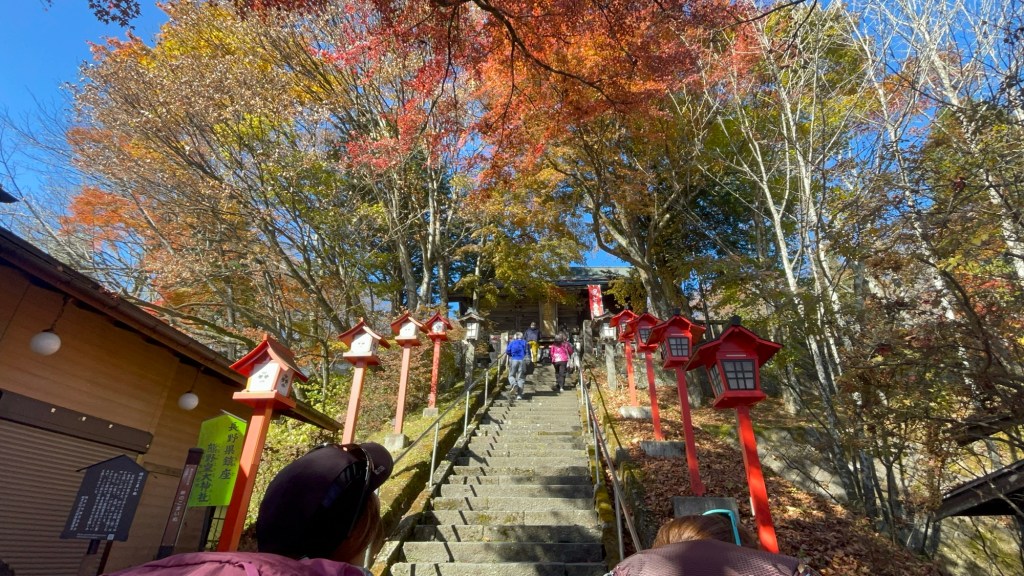


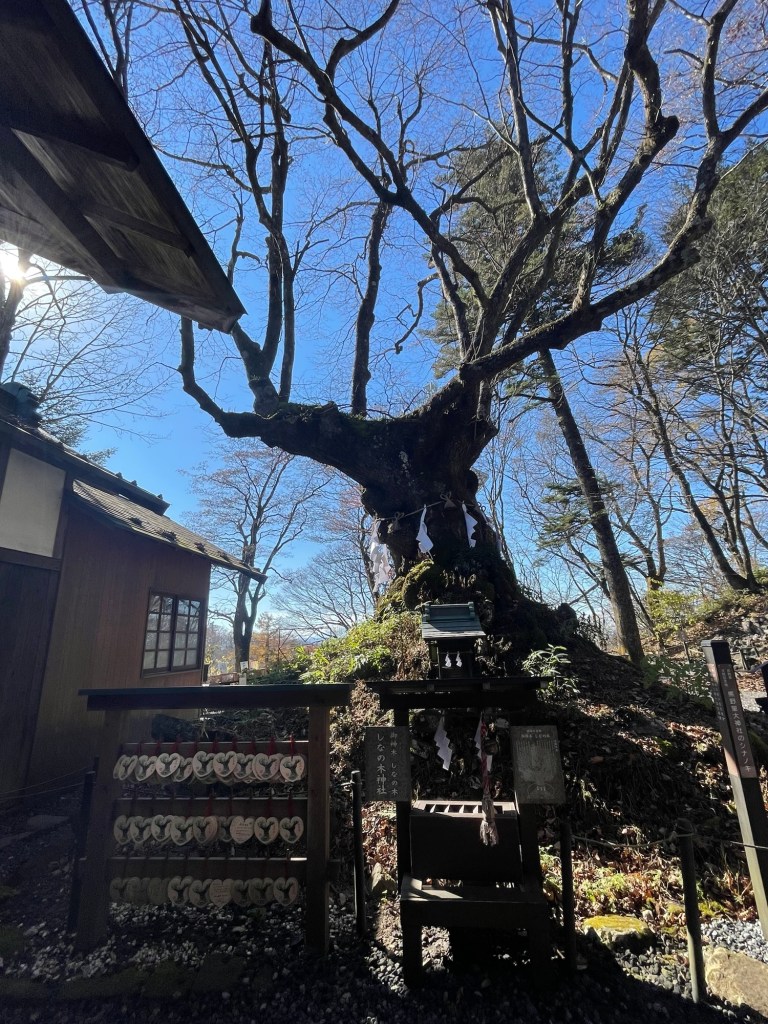
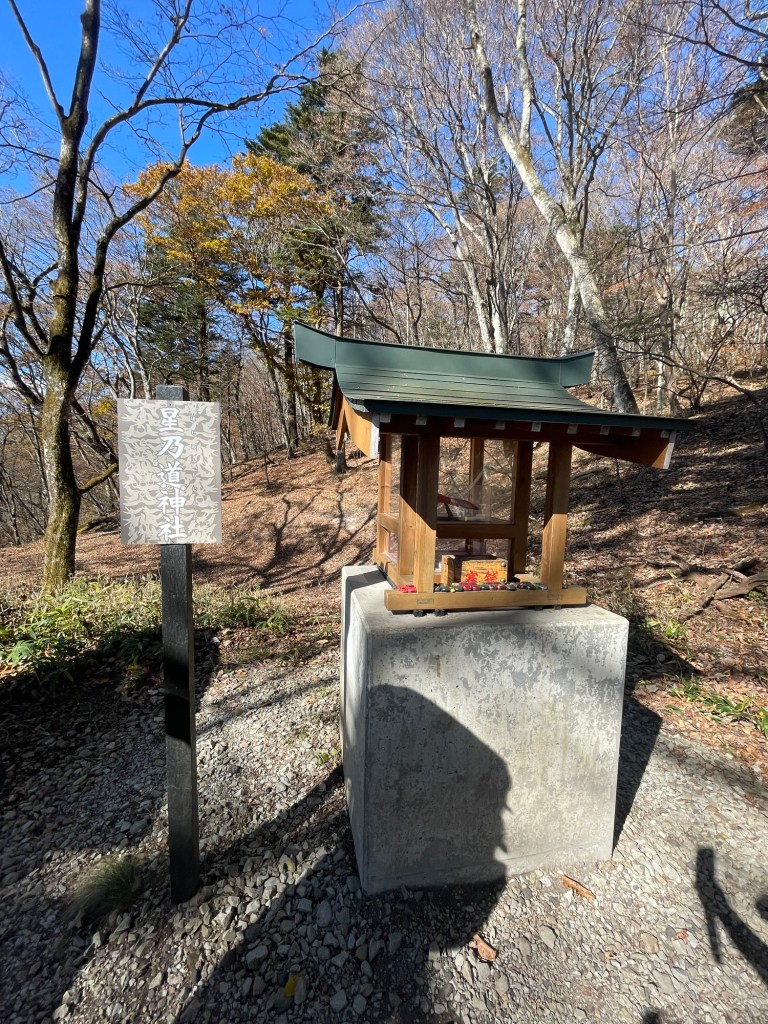
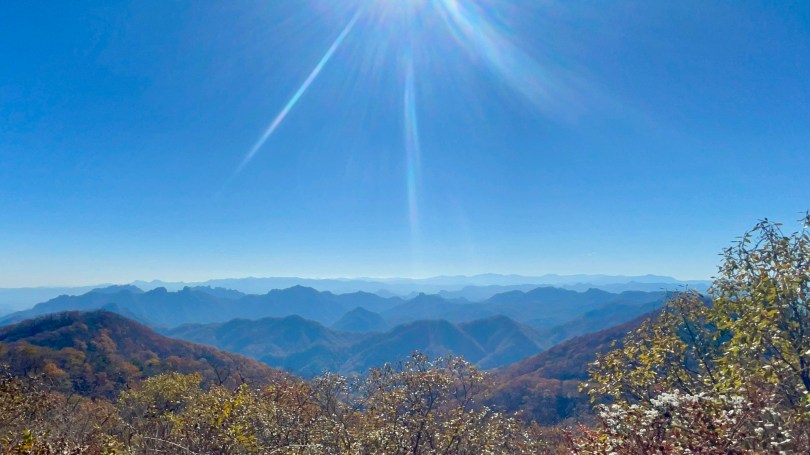
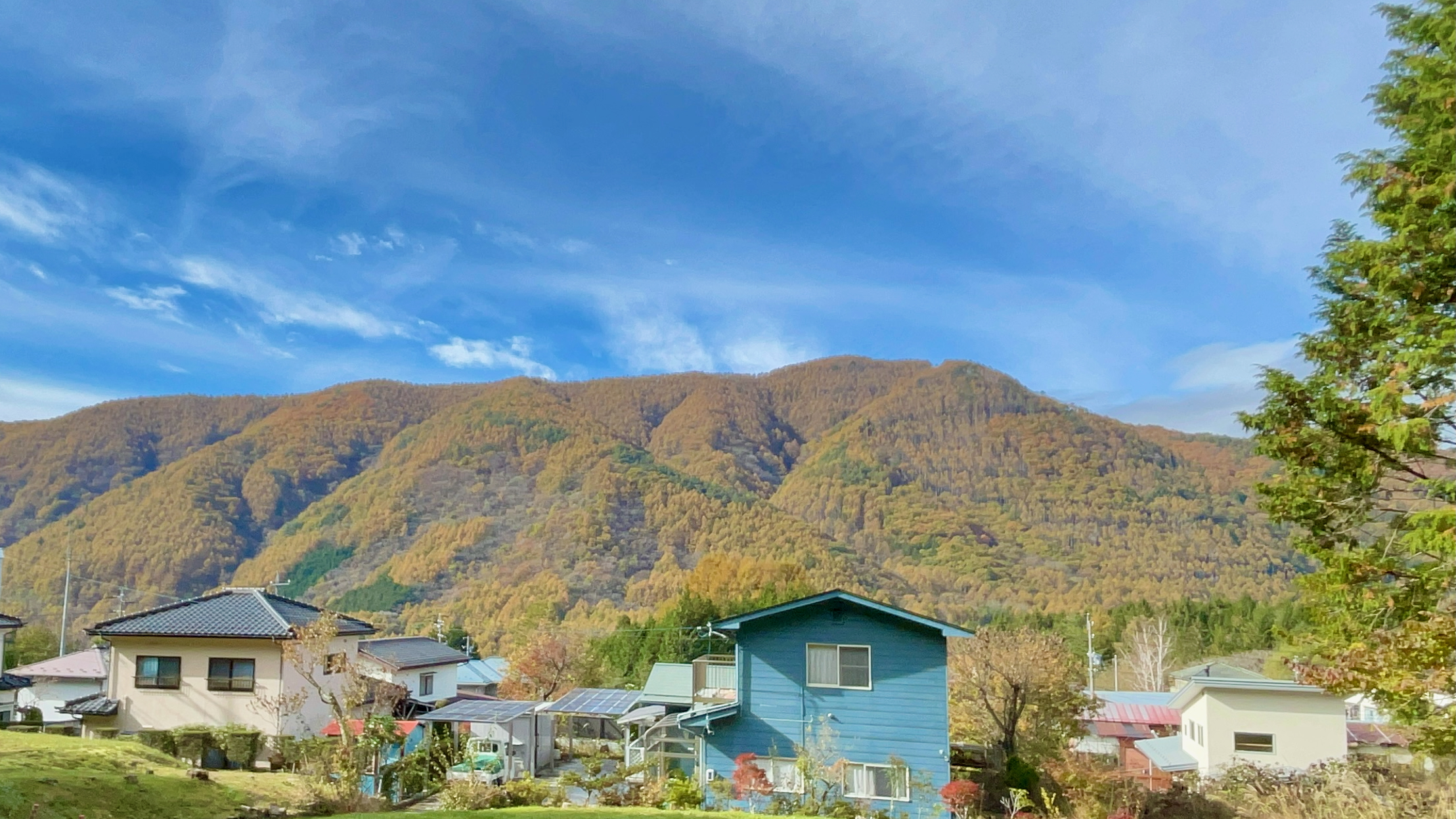
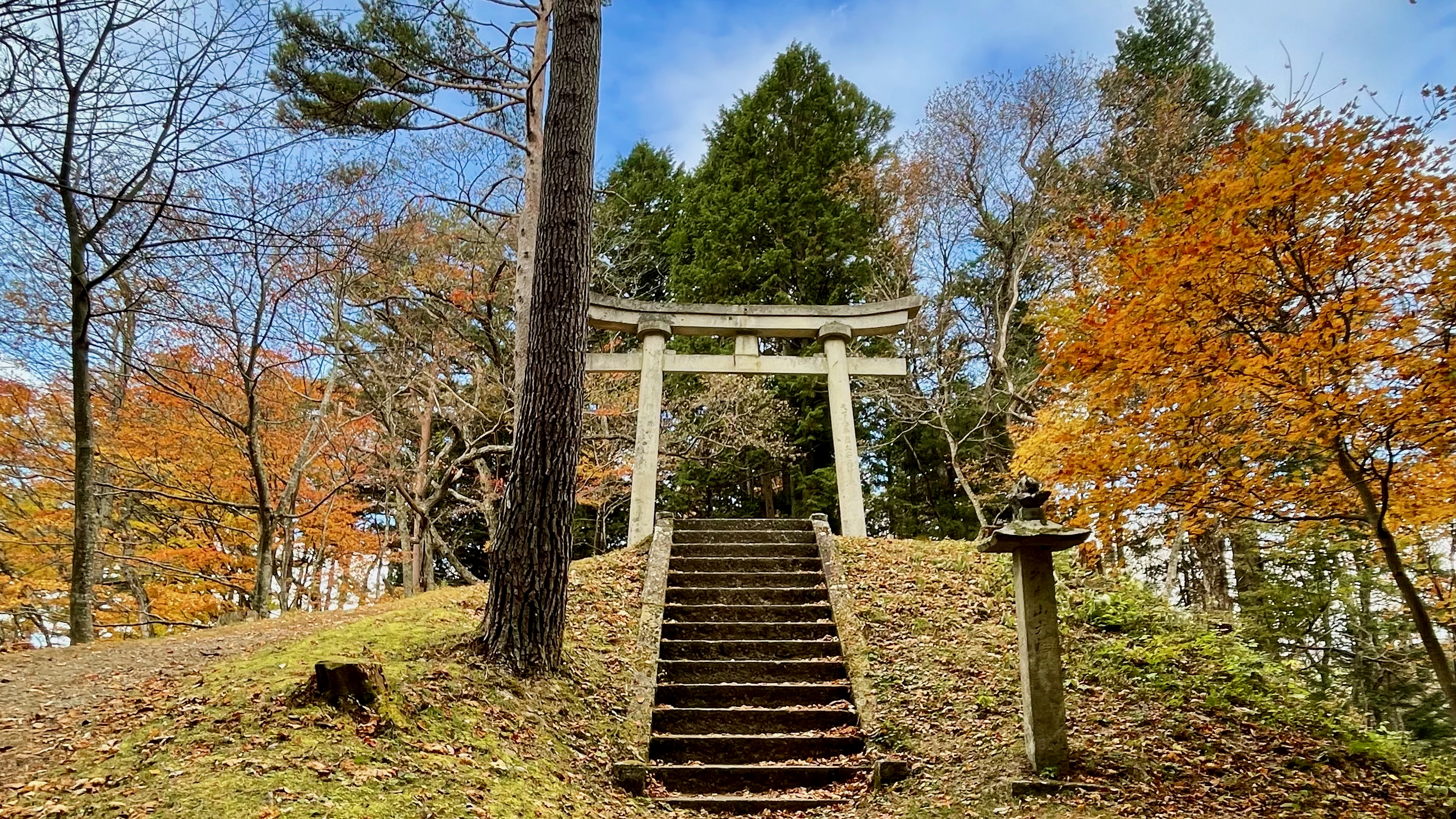
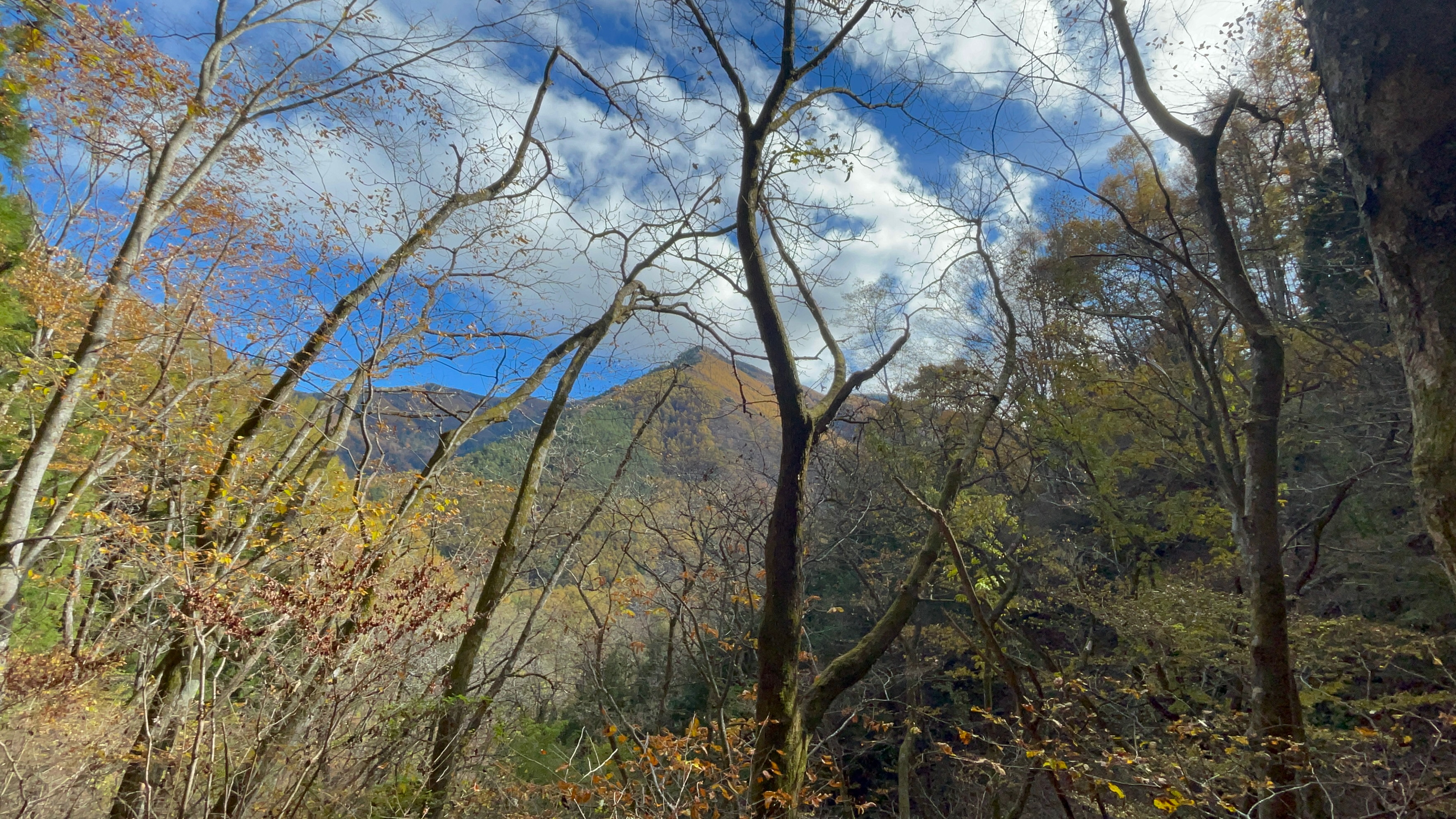
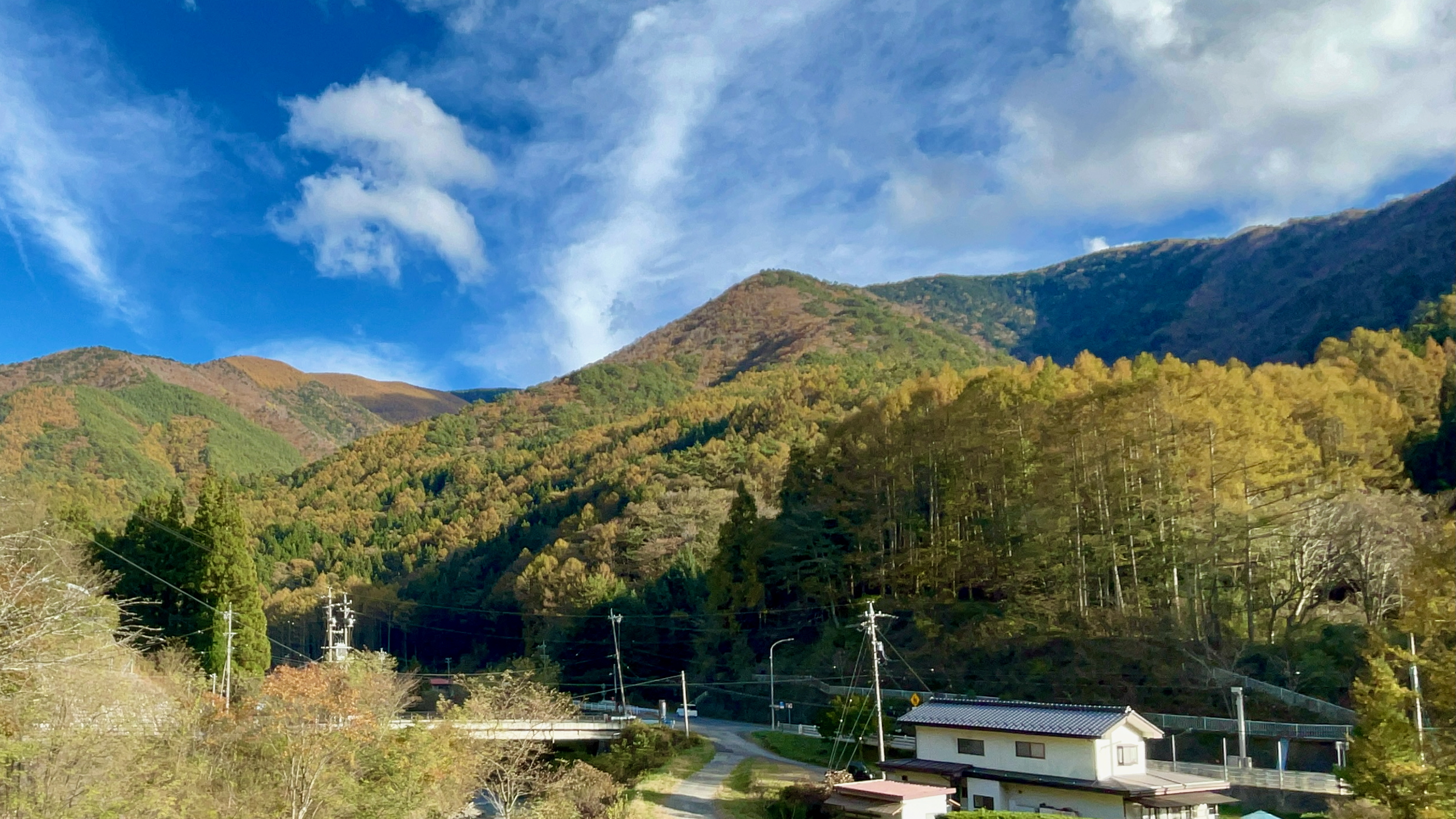
11:00 AM: We reached the summit of Usui Toge Pass 碓氷峠, marked by a traditional shrine that has stood watch over this mountain crossing for centuries. At approximately 1,200 meters elevation, the pass offers spectacular multi-mountain views that stretch across both Nagano and Gunma Prefectures. The panorama was genuinely picturesque—layer upon layer of mountain ridges receding into the misty distance, painted in the muted autumn colours of late November. There was also a post that marks the border between Nagano and Gunma Prefecture.
碓氷峠熊野神社 (Usui Toge Kumano Shrine)
Border of Karuizawa, Nagano and Annaka, Gunma
Historic shrine marking the Usui Toge Pass summit
We paused at the shrine to catch our breath, take photos, and for me, mentally prepare for what came next. The challenging part of Usui Toge isn’t the climb up—it’s the descent down. From this summit, we faced an 800-meter elevation drop down the Gunma Prefecture side.
11:30 AM: Crossing the prefecture border, we immediately noticed a change. The well-maintained, clearly marked trails of Nagano Prefecture gave way to something far more primitive. Here in Gunma, trail markers became sparse—just occasional weathered signs in Japanese that were difficult to read and harder to interpret. This was where the ryokan owner’s video became absolutely critical. We found ourselves stopping repeatedly to compare our surroundings to the footage on our phones, using distinctive trees, rock formations, and trail junctions to confirm we were still on the correct path.
Unlike our previous Nakasendo sections where we’d occasionally encounter other hikers or pass through villages, this stretch was remarkably isolated. We saw hardly anyone—perhaps one or two distant figures the entire day. The forest felt ancient and untouched.


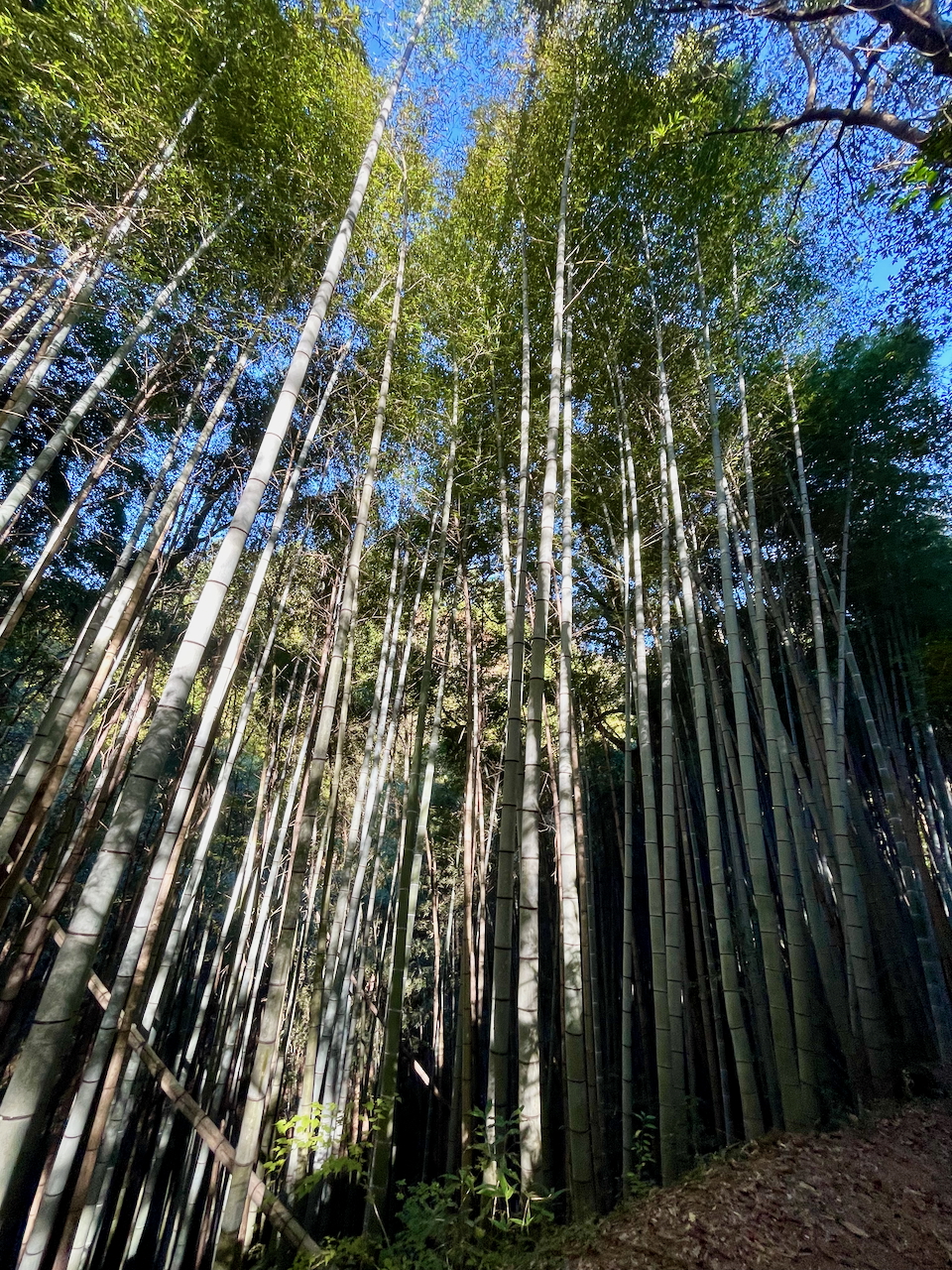
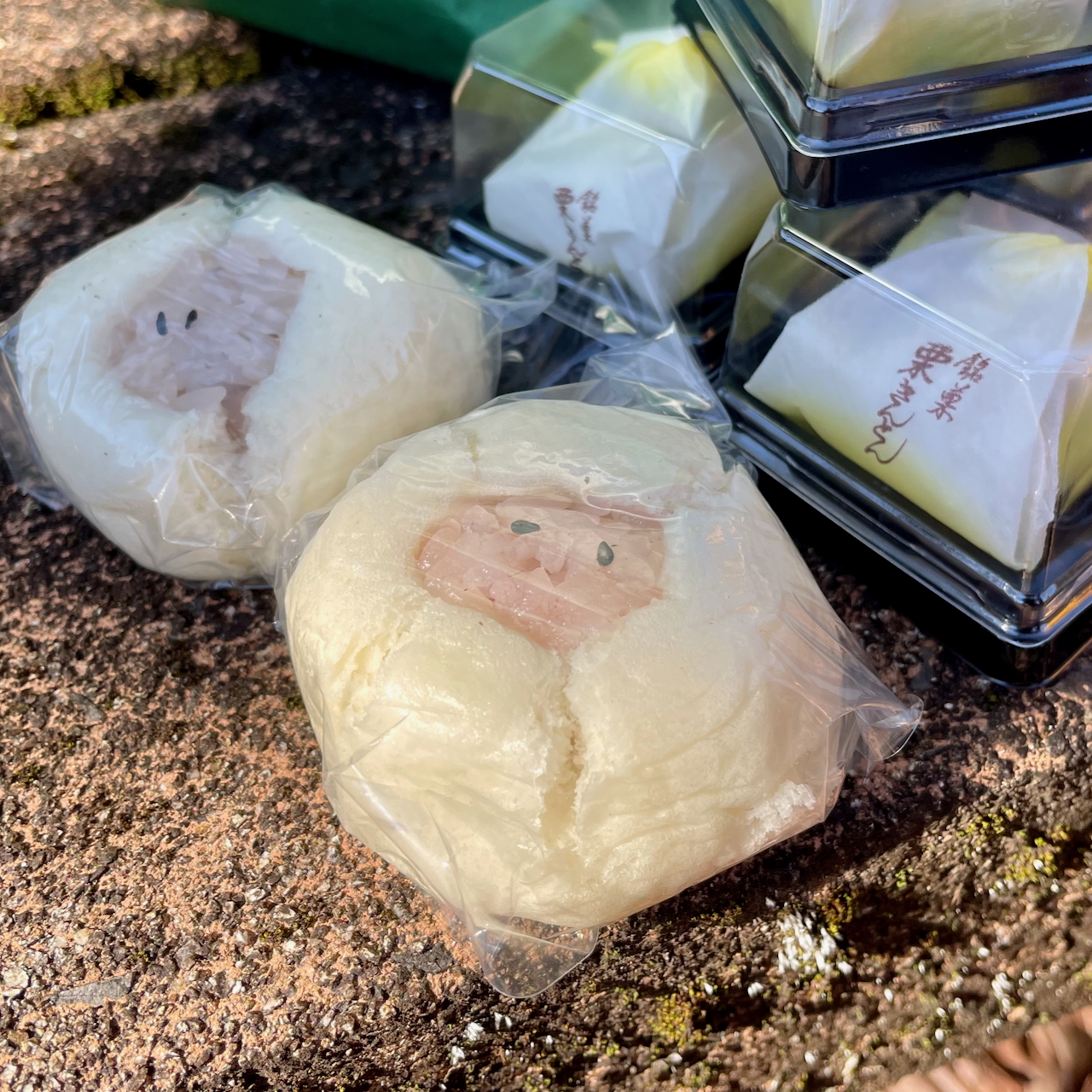
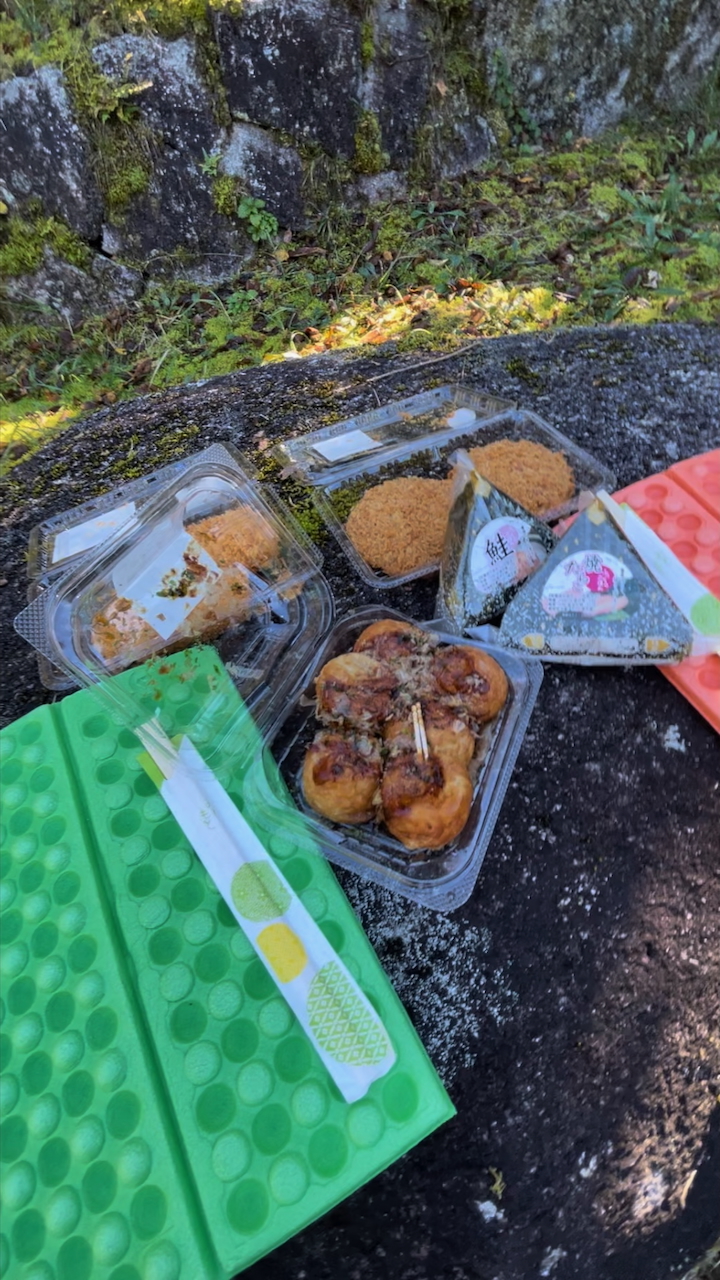
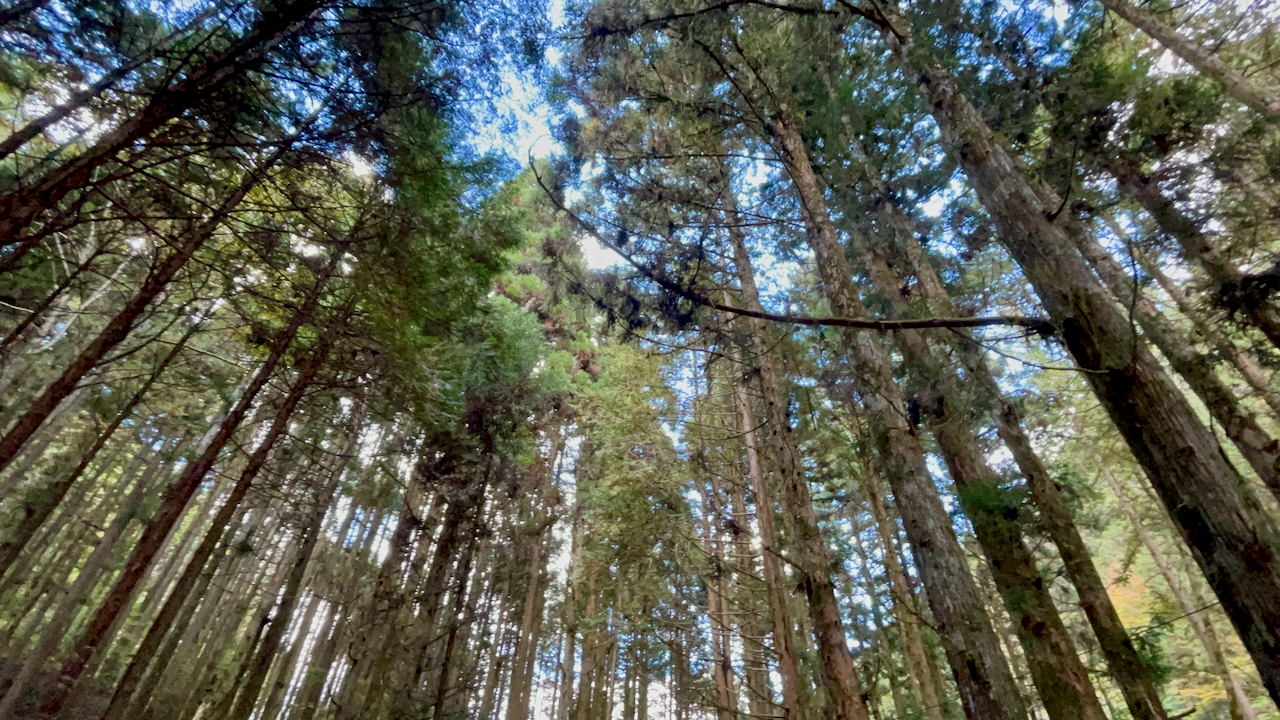
1:00 PM: Deep in the mountain forest, surrounded by nothing but trees and the sound of rustling leaves, we stopped for our packed lunch. We’d brought provisions from Karuizawa—bread, fruits, and snacks—knowing there would be absolutely no facilities or food options along this route. Sitting on a fallen log in the middle of the woods, with no buildings, no signs of civilisation, and no other people in sight, we appreciated the complete remoteness of this historic trail. The dry weather held, for which we were deeply grateful—rain would have made the descent treacherous.
3:30 PM: The descent began in earnest, and we quickly understood why Usui Toge has its fearsome reputation. The trail became increasingly steep and rocky as we dropped elevation. The final kilometer was particularly brutal—a nearly vertical scramble down loose rocks and exposed roots that demanded constant attention and careful foot placement.
In a moment of questionable judgment, exhausted by the relentless downward pitch, I sat down thinking I could slide-descend in a controlled manner. This was immediately revealed to be a not so great idea—the weight of my full hiking pack made it hard to stand back up on the rocky slope.

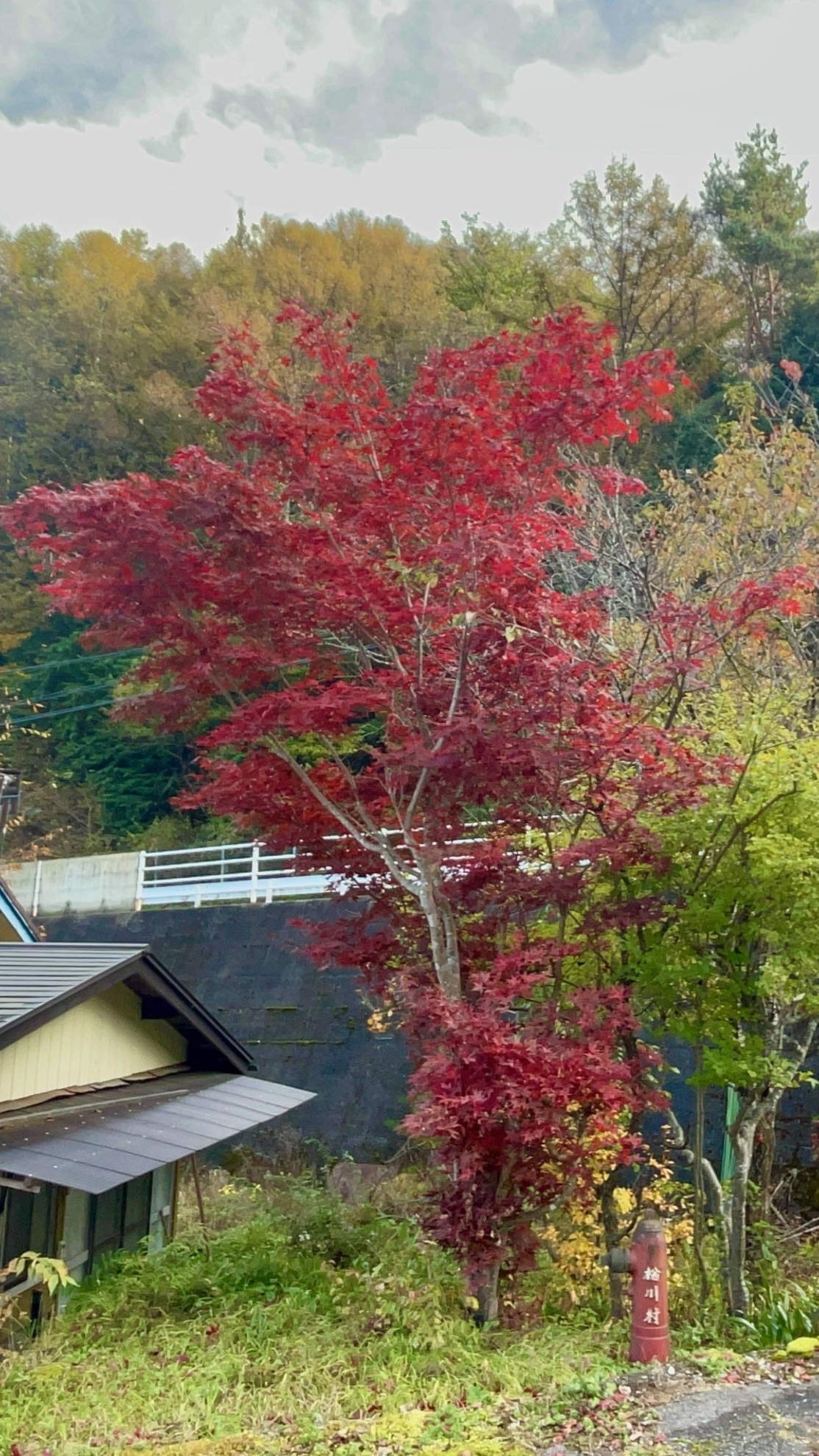
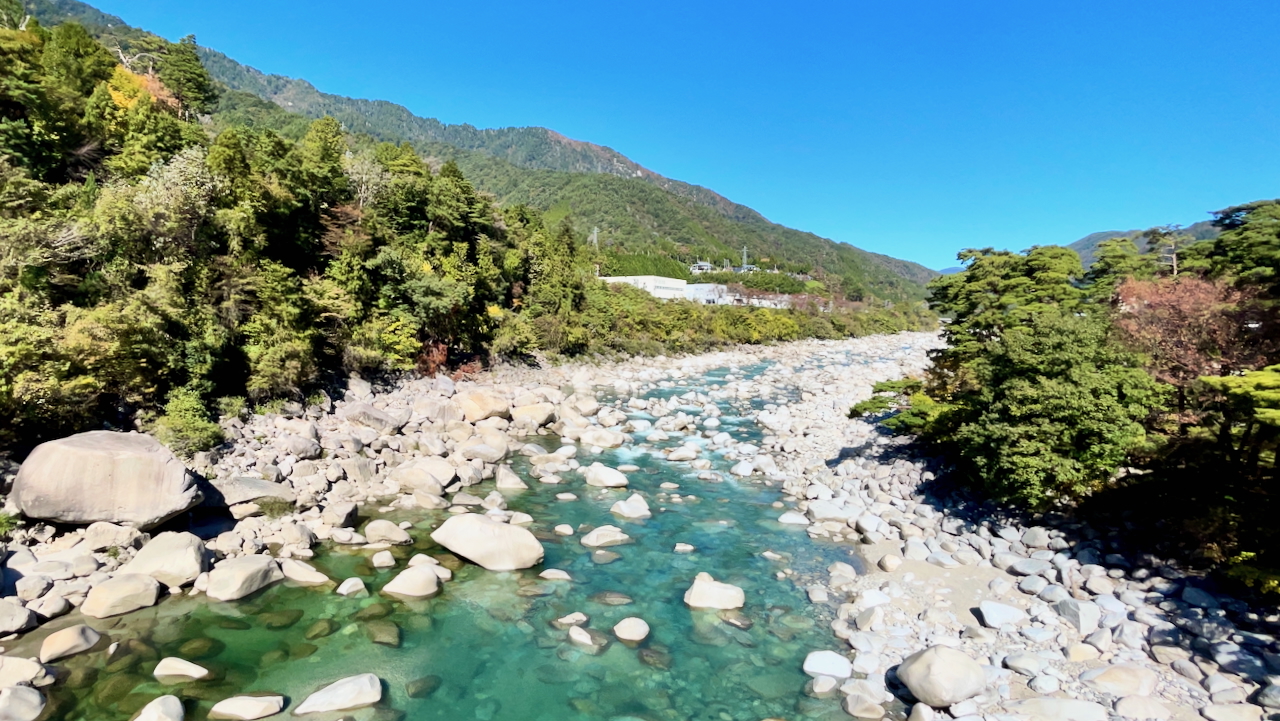
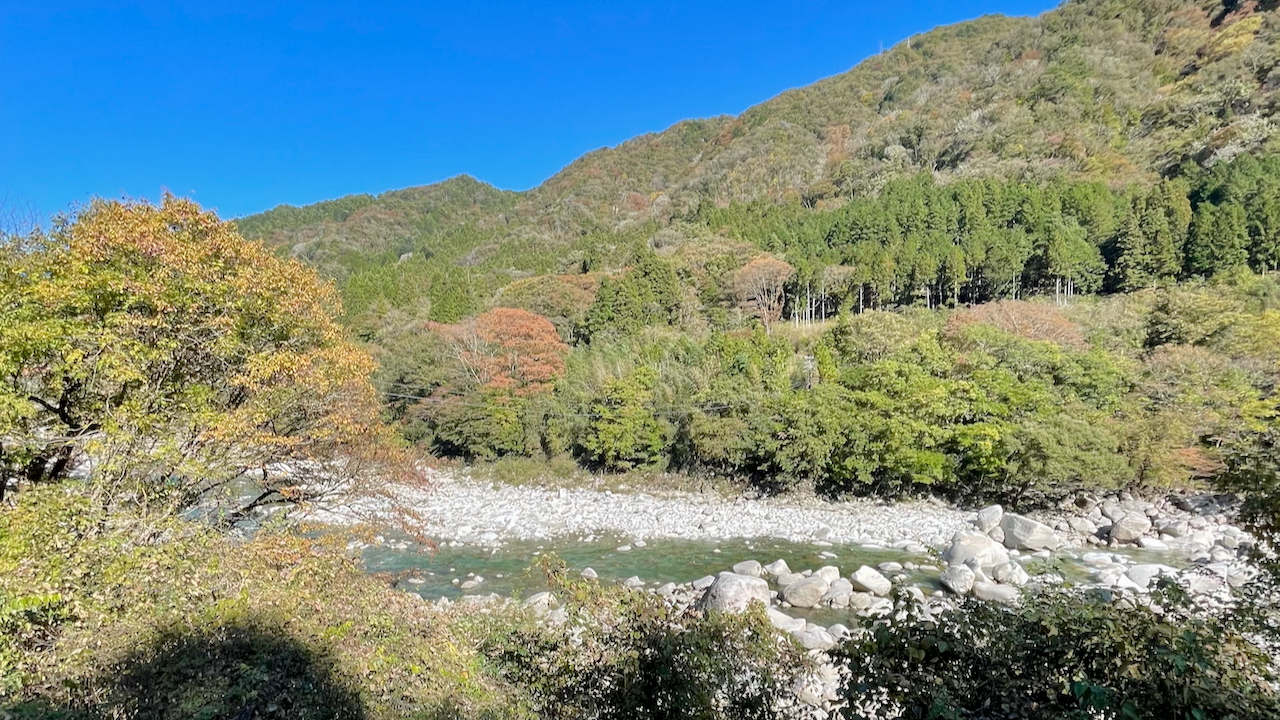
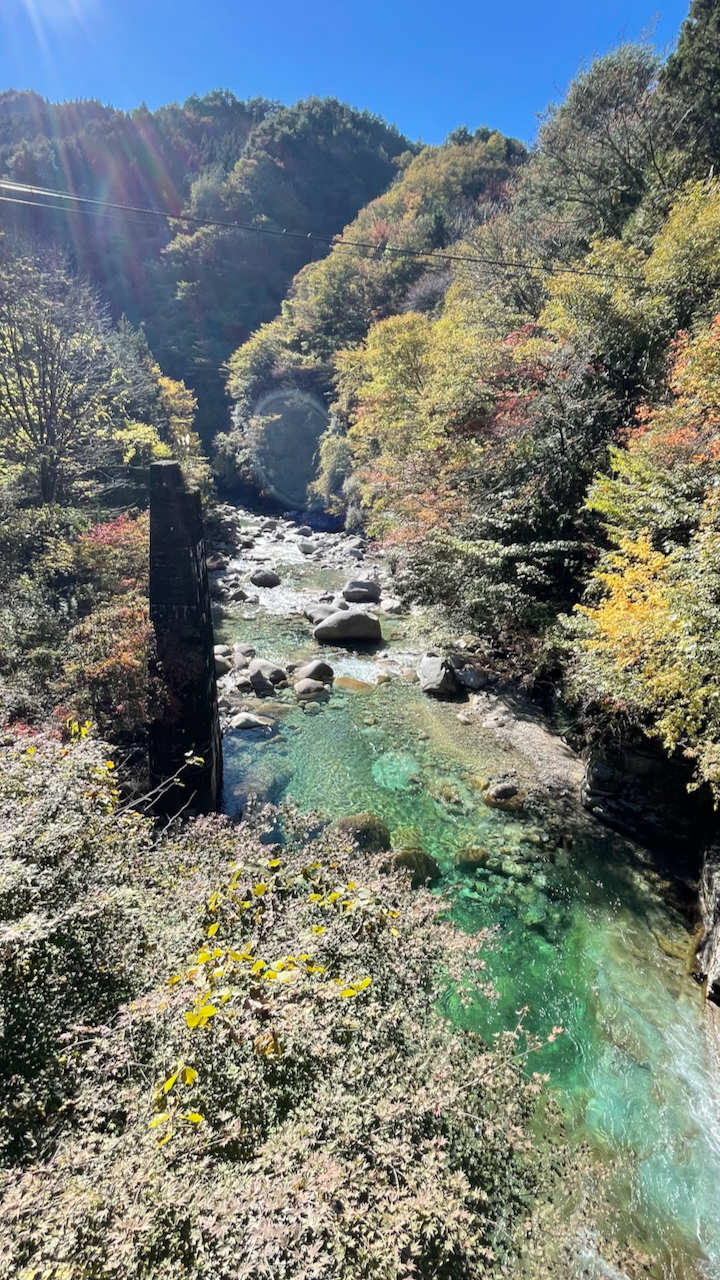
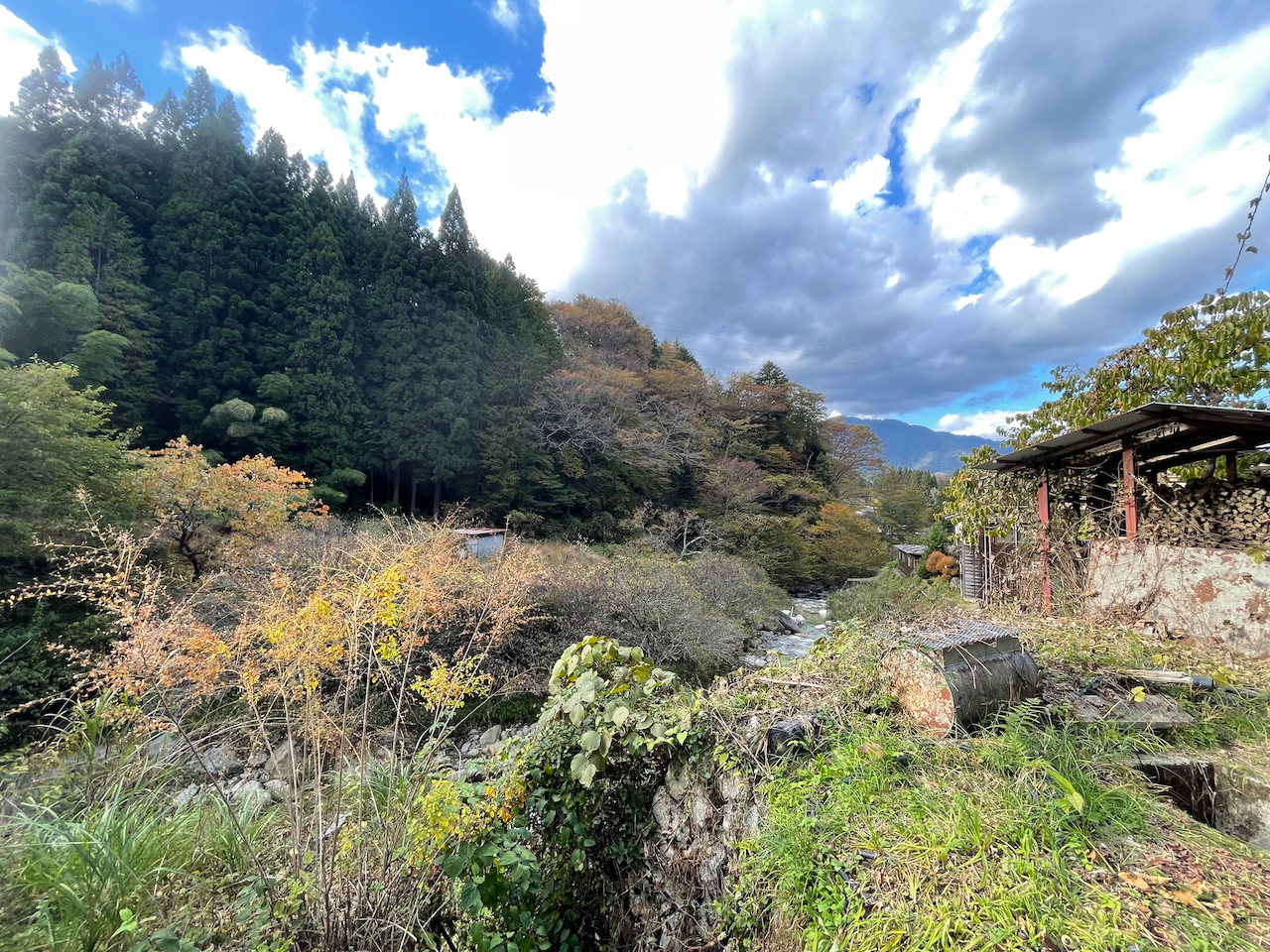
By this point, we were focused entirely on the trail itself rather than the scenery. While autumn foliage still surrounded us, I barely noticed—every bit of attention was devoted to finding secure footholds and avoiding a tumble down the mountainside.


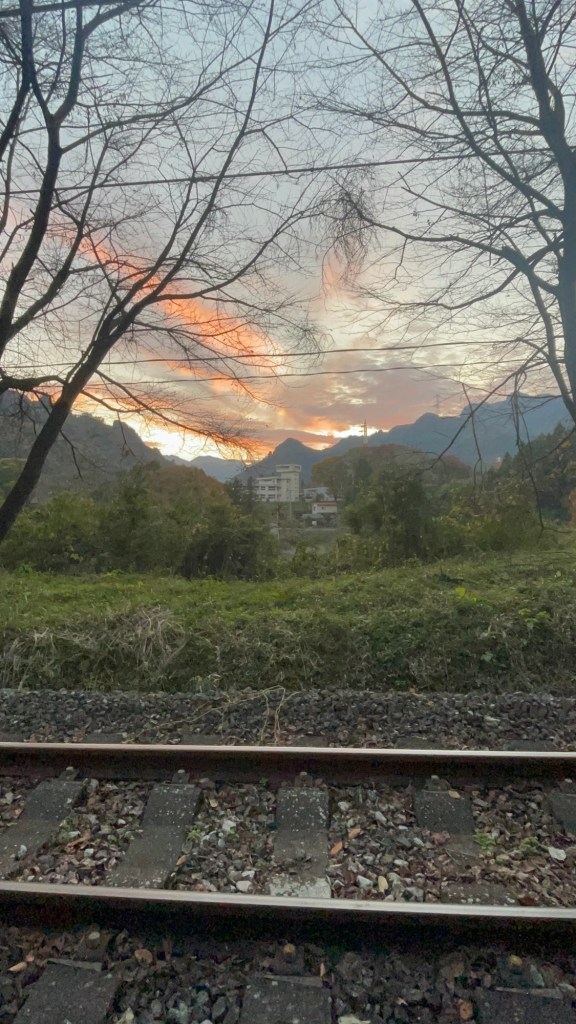
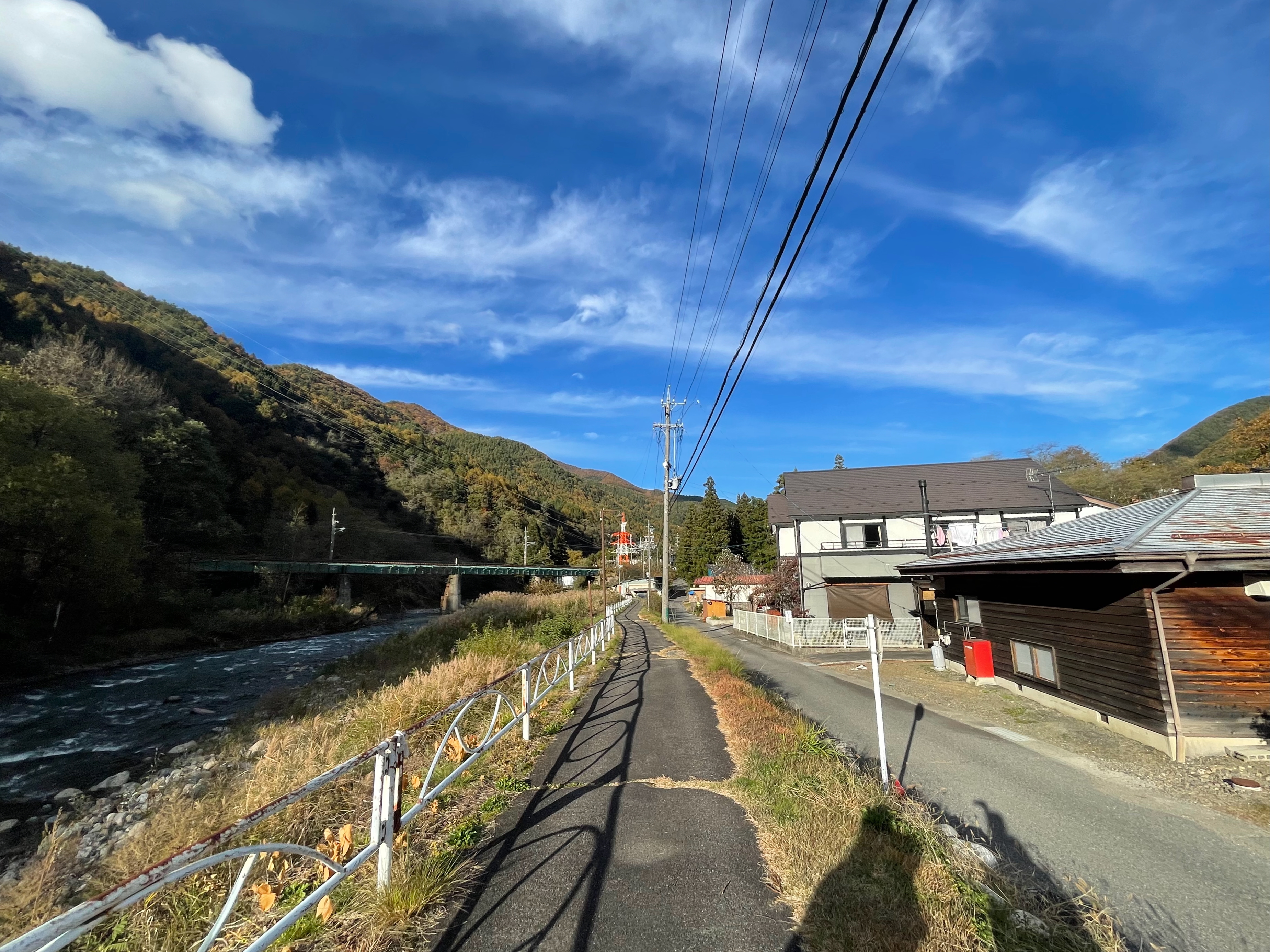
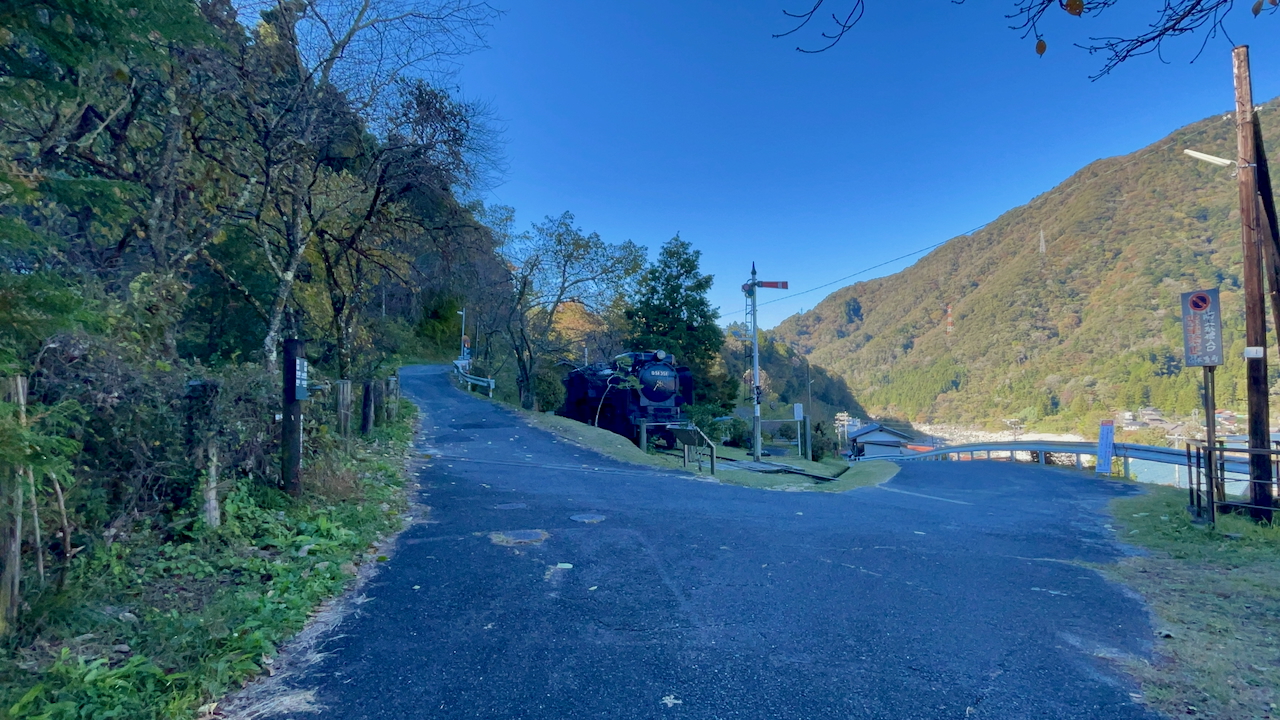
5:00 PM: We finally emerged from the forest trail and walked towards Yokokawa 横川, a small railway town that marks the eastern terminus of this Nakasendo section. The relief of reaching flat ground after that punishing descent was immense. We had been hiking for over eight hours with minimal breaks, and exhaustion was setting in. Yokokawa itself offered little—by the time we arrived, it was sundown.
We had hoped to catch the 4:00 PM train to Takasaki, but our later-than-planned arrival meant we’d missed it. At Yokokawa Station, we collapsed onto benches, and we were too tired to do much beyond rest our aching legs and feet. The small station offered shelter and nice cold drinks from the vending machine as we waited in the gathering dusk.
5:21 PM: The Shin-Etsu Line train arrived, and we gratefully boarded for Takasaki 高崎. The 30-minute journey felt like luxury after the day’s exertion—sitting, not moving, letting the train do the work. And this marked the end of our 5 day hiking.
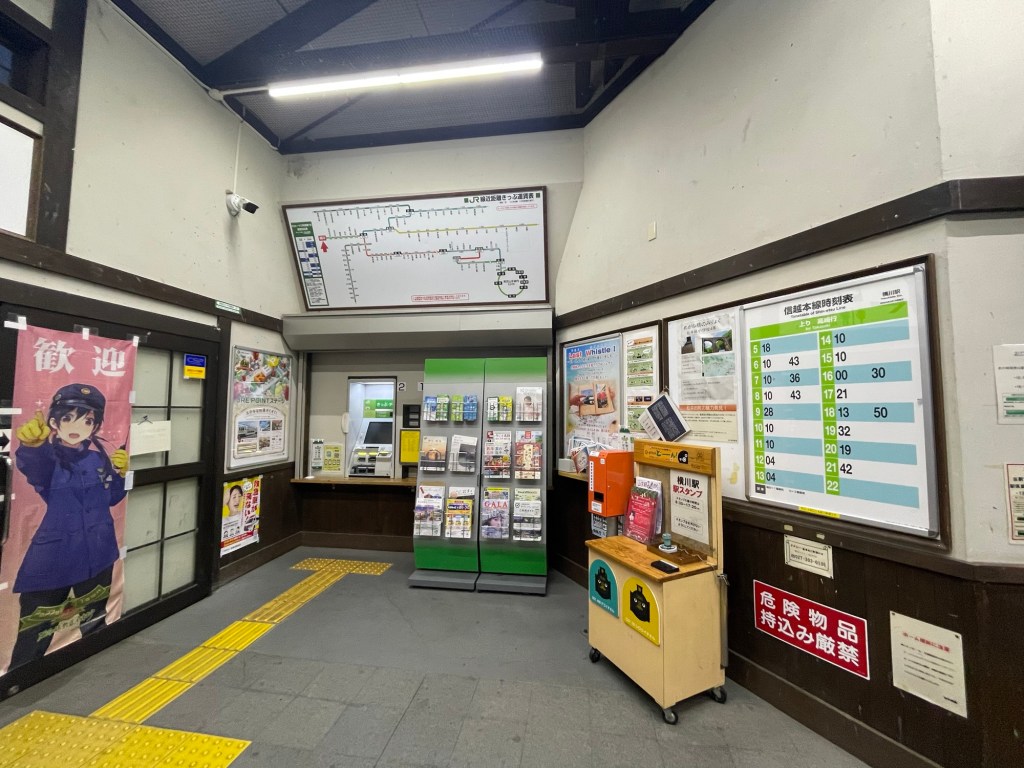

5:53 PM: We arrived at Takasaki Station in full darkness. Rather than exploring this city, we simply wanted to reach our accommodation and rest. We walked from the station to our lodging, the Rakuten STAY HOUSE, located in a quiet residential neighbourhood.
Rakuten STAY HOUSE x WILL STYLE Takasaki 101
〒370-0846 群馬県高崎市下和田町1丁目11-10
1 Chome-11-10 Shimowadamachi, Takasaki, Gunma 370-0846, Japan


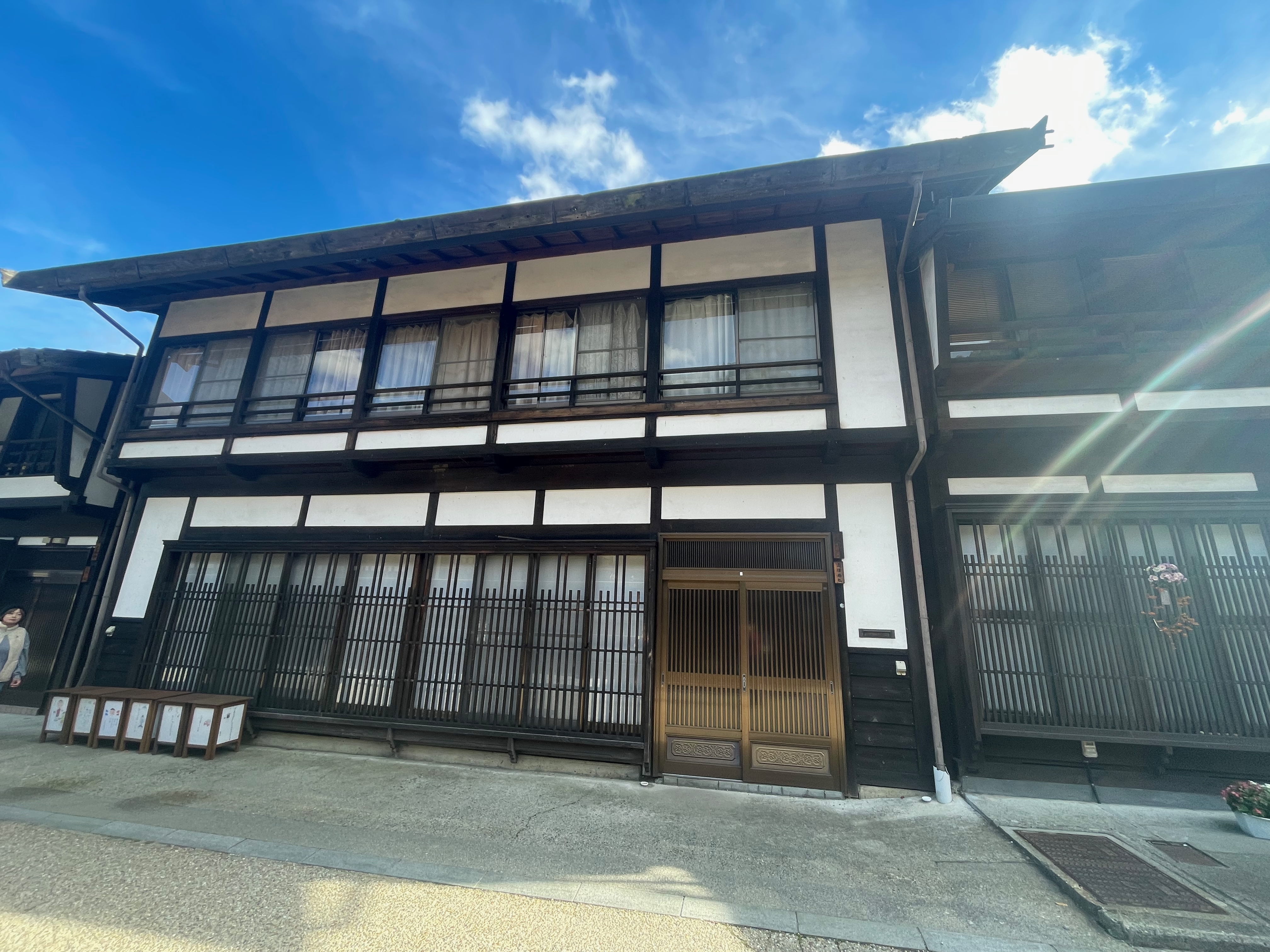
Evening: The accommodation was a standalone three-room, double-storey house that offered a glimpse into what a typical Japanese family home might look like. With multiple bedrooms, a full kitchen, and living spaces, it felt spacious and homey. Having this private space to spread out and decompress was exactly what we needed.
Too exhausted to venture out for dinner in an unfamiliar city, we prepared a simple meal using camp provisions we’d brought along. We’d actually packed these specifically to try them out—practice for future possible hiking trips. It was basic but satisfying, and honestly, after conquering Usui Toge, even simple food tasted like a feast.
Day 5 had taken approximately 10 hours from hotel departure to arrival at our Takasaki accommodation. The ryokan owner’s video was critical—without it, we would have struggled significantly in the poorly marked Gunma sections. We had covered roughly 14 kilometers with a 1-kilometer elevation drop, accumulating 33,037 steps—our highest count of the entire journey. More importantly, we had successfully navigated one of the Nakasendo’s most challenging and historically significant sections.
This was my first multi-day hiking experience, and completing it is a major accomplishment! Five days, four mountain passes, countless steps, and one unforgettable journey through Japan’s historic mountain interior. The Nakasendo Trail is a good trail for a beginner like me and also rewarded us with stunning natural beauty, and profound historical connections.
Tomorrow, we would leave the Nakasendo and continue our journey to Kusatsu Onsen 草津温泉, one of Japan’s most famous hot spring towns. After five days of mountain hiking, onsen soaking is rewarding! The hiking portion of our adventure was complete, but the journey continued with relaxation, good food, and well-deserved rest.
Note: This trip was made in November 2024.



























































































 dreaming in ningzheaven